Apocalypse: Descent Into The State of Nature
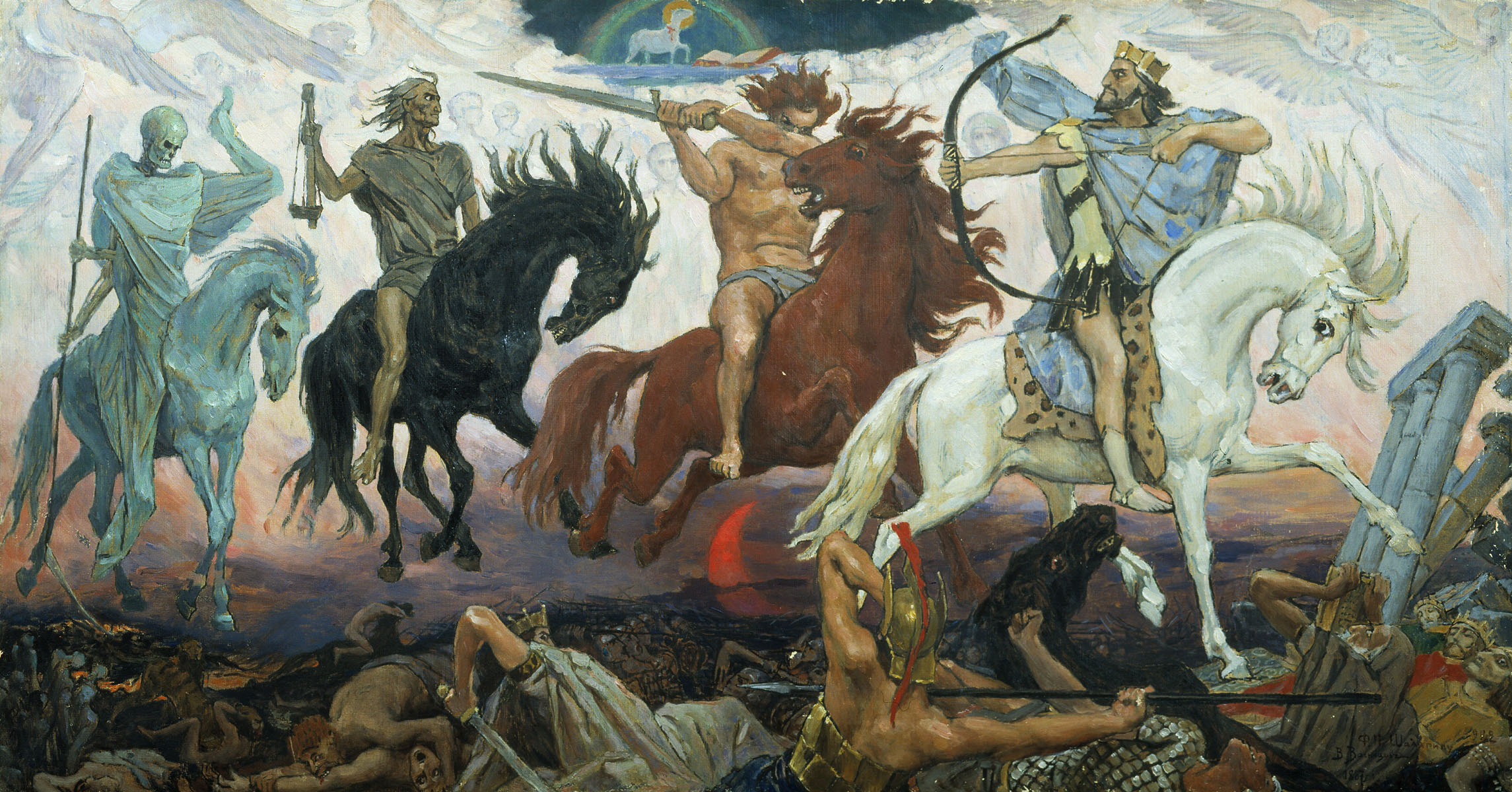 The Apocalypse is some sort of event that has been foretold by many different religious organizations and societies. It varies over different perspectives, altered by culture, religion, and scripture. The end of days: you would think that the concept would stir up anxiety in most people. The concept of mortality is driving force behind so many decisions in life, so why does the concept of the mortality of humanity not do the same?
Perhaps it is because the Apocalypse is merely rooted in fiction; there is nothing definitive nor factual about it. It is merely fodder for fiction and has become a cliched genre filled with stories of success, failure, and humanism. But what does the Apocalypse have to do with political theory? From a fictional standpoint, the Apocalypse carries an interesting connotation that differs across genres; exciting for action, melancholic for romance, etc., but one facet remains the same: the sense of certainty, but more importantly, a return to the State of Nature.

The State of Nature has been endlessly discussed in the realm of political theory; innumerable political theorists have constructed their own State of Natures. Thomas Hobbes conceived of a State of Nature that is "solitary, poor, nasty, brutish, and short." Left to their own devices, Hobbes saw man as violent and uncivilized. John Locke conceptualized the State of Nature as a lack of property other than the property of one's own life and body. Jean-Jacques Rousseau theorized of a State of Nature different than both Hobbes and Locke; in his State of Nature there was a sense of purity about man who was very similar to man that exists now. The State of Nature was seen as an ambiguous state of existence that we are absolved from due to the creation of social contracts.
Social contracts lifted man out of the State of Nature. They saved man from the brutality of other men and gave a sense of security for one's own life. Social contracts allowed man to accrue and own property, through their physical labor and the recognition of the labor of other men. In essence, social contracts allowed individual men to organize themselves into cohesive groups. Some hypothesized that this was beneficial for it afforded men in social contracts security over their lives and properties; others hypothesized that social contracts led to inequalities amongst men for social contracts invariably establish social hierarchies. Nevertheless, the transition away from a State of Nature is one that is considered to be irreversible; once man has left the State of Nature, he cannot go back.


Sources
- All photos link back to original sources

I've always thought the idea of the State of Nature in an apocalyptic setting is interesting. There's actually a video game which replicates this setting called DayZ
ReplyDeleteIn DayZ, the whole idea of a zombie apocalypse is replicated. It's essentially a video game Walking Dead. You're place in an extremely large world with no means of communicating with anyone else unless you're near each other.
Your primary goal is survival, so you need to find food and water. But you also need weaponry to fight off zombies. The problem is that all the other players need to do the same thing, and you have no way of knowing who can be trusted. You might not even care if they can be trusted, because killing them can provide you with the weaponry and food you seek. The only people you can truly trust are the people you know from outside of the game itself, which I guess in the setting could be considered your immediate family.
The game usually descends into killing other players on sight, both because you don't know if they can be trusted and because you want their items. It's hard to say whether the actions in this world can be translated into a real life state of nature, because the consequences of killing someone in a video game are much smaller than in real life. However, I think some idea of what might happen in an apocalyptic state of nature can be taken from it.
Here's a video of a player interaction in the game, if you're interested.
http://www.youtube.com/watch?v=wSWRfI4SkWc
I've watched a LOT of DayZ gameplay. It certainly is a exemplar of this phenomena. It works well for this because of the game mechanics; it's you against everyone else. Sure you could trust other individuals, but why? The threat of broken social contracts overrides the potential benefits of forming social contracts with others.
Delete